
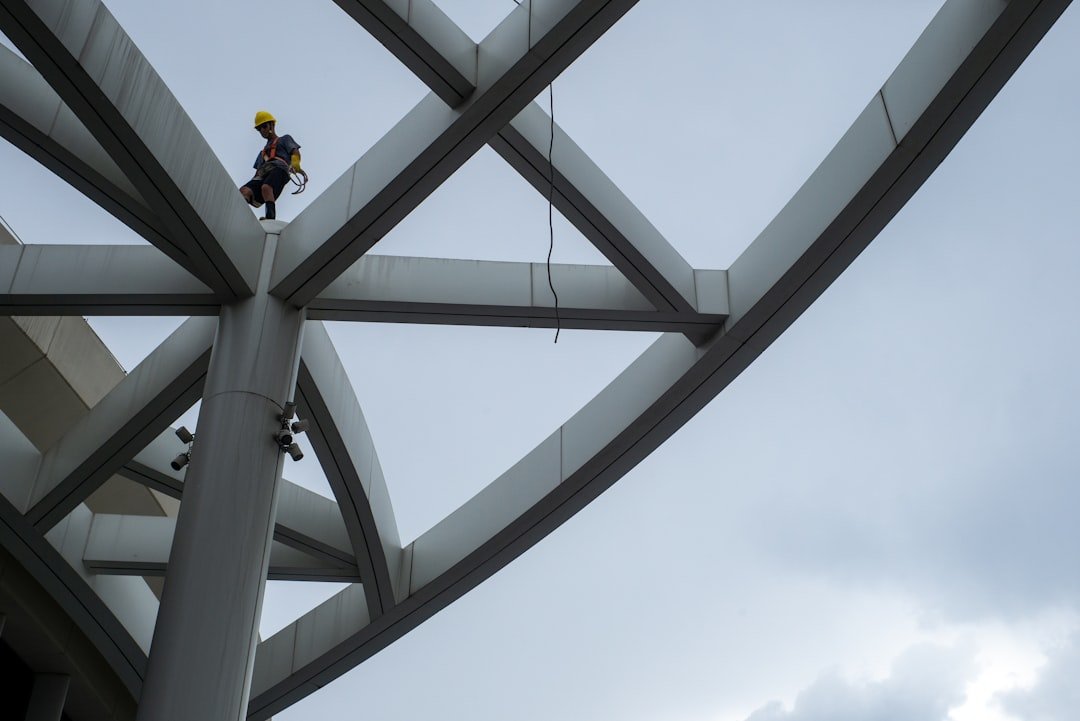
When you think about working at heights, the first thing that may come to mind is the thrill of being elevated above the ground, perhaps on a construction site or a tall building. However, the reality is that working at heights poses significant risks, and proper training is essential to ensure your safety and the safety of those around you. Engaging in working at heights training equips you with the knowledge and skills necessary to identify potential hazards and implement effective safety measures. This training is not just a regulatory requirement; it is a vital component of a safety culture that prioritizes the well-being of every worker.
Moreover, investing time in working at heights training can significantly reduce the likelihood of accidents and injuries. Statistics show that falls from heights are one of the leading causes of workplace fatalities. By participating in comprehensive training programs, you not only learn how to use safety equipment correctly but also develop an understanding of the risks associated with your specific work environment. This proactive approach to safety can lead to increased confidence in your abilities, ultimately fostering a more productive and secure workplace.
For those interested in enhancing their skills and knowledge in working at heights, a related article that provides valuable insights is available at SafetyNet Industries. This article outlines essential safety practices and training programs that can significantly reduce risks associated with working at elevated levels. To learn more about these important safety measures, you can read the article here: SafetyNet Industries.
Understanding Fall Safety Regulations and Standards
Navigating the landscape of fall safety regulations and standards can be daunting, but it is crucial for anyone involved in working at heights. Familiarizing yourself with these regulations ensures that you are compliant with local laws and industry standards, which can vary significantly from one region to another. Organizations such as OSHA (Occupational Safety and Health Administration) in the United States provide guidelines that outline the minimum safety requirements for working at heights. Understanding these regulations not only protects you legally but also enhances your overall safety awareness.
In addition to legal compliance, understanding fall safety standards helps you recognize best practices within your industry. These standards are often developed based on extensive research and real-world data, providing you with insights into effective safety measures. By staying informed about these regulations, you can contribute to a culture of safety within your organization, encouraging your colleagues to prioritize fall prevention as well. This collective commitment to adhering to safety standards can lead to a significant reduction in workplace accidents.
Choosing the Right SafetyNet Industries Course for Your Needs
With various training options available, selecting the right SafetyNet Industries course tailored to your specific needs is essential. Consider factors such as your current level of experience, the type of work you will be doing at heights, and any specific equipment you will be using. SafetyNet Industries offers a range of courses designed to cater to different skill levels, from beginners to advanced practitioners. By assessing your unique situation, you can choose a course that will provide you with the most relevant knowledge and skills.
Additionally, it’s important to evaluate the course content and delivery methods. Some individuals may prefer hands-on training, while others might benefit from a more theoretical approach. SafetyNet Industries provides a variety of learning formats, including online modules, in-person workshops, and practical demonstrations. By selecting a course that aligns with your learning style, you can maximize your retention of critical information and ensure that you are well-prepared for working at heights.
Key Components of Working at Heights Training
Working at heights training encompasses several key components that are essential for ensuring your safety on the job. One of the primary elements is understanding the types of fall protection systems available, such as guardrails, safety nets, and personal fall arrest systems (PFAS). Each system has its own set of guidelines for proper use and maintenance, which you will learn during your training. Familiarizing yourself with these systems allows you to make informed decisions about which equipment is best suited for your specific tasks.
Another critical component of working at heights training is hazard identification and risk assessment. You will learn how to evaluate your work environment for potential fall hazards, such as unprotected edges or unstable surfaces. This knowledge empowers you to take proactive measures to mitigate risks before they lead to accidents. Additionally, training often includes emergency response procedures, ensuring that you know how to react effectively in case of a fall or other incident. By mastering these key components, you will be better equipped to navigate the challenges associated with working at heights safely.
For those interested in enhancing their skills for working at heights, a great resource is the article on the Top SafetyNet Industries Courses for Working at Heights. This comprehensive guide not only outlines essential training programs but also emphasizes the importance of safety protocols in the workplace. To explore more about these courses and how they can benefit your career, you can visit the detailed information available here.
Practical Application of Fall Safety Techniques
| Course Name | Duration | Topics Covered | Practical Training |
|---|---|---|---|
| Working at Heights Safety | 1 day | Fall protection, hazard identification, equipment use | Hands-on practice with safety harnesses and lanyards |
| Height Safety Awareness | 4 hours | Risk assessment, ladder safety, emergency procedures | Simulated scenarios for emergency response |
| Advanced Height Safety | 2 days | Rescue techniques, anchor point selection, advanced equipment use | Advanced rescue simulations and equipment handling |
The true value of working at heights training lies in its practical application. Once you have acquired theoretical knowledge about fall safety techniques, it is essential to put that knowledge into practice in real-world scenarios. This hands-on experience allows you to become familiar with using safety equipment correctly and efficiently. For instance, practicing how to properly don a harness or set up a lifeline system can significantly enhance your confidence when working at heights.
Moreover, practical application extends beyond just using equipment; it also involves developing situational awareness. As you engage in hands-on training exercises, you will learn how to assess your surroundings continuously and identify potential hazards as they arise. This skill is invaluable when working at heights, where conditions can change rapidly due to weather or other factors. By honing your practical skills through training, you will be better prepared to handle unexpected challenges safely.
For those interested in enhancing their skills in working at heights, exploring the various courses offered by Top SafetyNet Industries can be incredibly beneficial. Additionally, you might find it useful to check out a related article on the WPWBot mobile app, which provides valuable resources and tools for safety management. This app can complement your training and ensure that you are well-prepared for any challenges you may face in the field. You can read more about it in this article.
Recognizing and Mitigating Fall Hazards in the Workplace
Sure, here is the sentence with the clickable link:
I am learning about cybersecurity at SafetyNet Academy.
Recognizing fall hazards in the workplace is a critical skill that every worker should develop. During your training, you will learn how to conduct thorough inspections of your work environment to identify potential risks. Common hazards include unguarded edges, slippery surfaces, and improper use of ladders or scaffolding. By being vigilant and proactive in identifying these hazards, you can take steps to mitigate them before they lead to accidents.
Mitigating fall hazards involves implementing appropriate safety measures based on your assessments. This may include installing guardrails around elevated platforms or ensuring that all workers are using personal protective equipment correctly. Additionally, fostering open communication among team members about potential hazards can create a culture of safety where everyone feels responsible for maintaining a safe work environment. By actively recognizing and addressing fall hazards, you contribute significantly to reducing the risk of accidents on the job.
Advanced Techniques for Working at Heights
As you gain experience in working at heights, you may find it beneficial to explore advanced techniques that enhance your safety and efficiency on the job. These techniques often involve specialized equipment or methods tailored for specific tasks or environments. For example, learning how to use aerial lifts or scaffold systems safely can expand your capabilities while ensuring compliance with safety regulations.
Additionally, advanced techniques may include strategies for navigating complex work environments, such as construction sites with multiple levels or challenging weather conditions. Training programs often cover these advanced topics, providing you with valuable insights into best practices for maintaining safety while working at heights. By continually seeking out advanced training opportunities, you can stay ahead in your field and ensure that you are equipped with the latest knowledge and skills.
The Role of Personal Protective Equipment in Fall Safety
Personal protective equipment (PPE) plays a vital role in fall safety when working at heights. During your training, you will learn about various types of PPE designed specifically for this purpose, including harnesses, helmets, and lanyards. Understanding how to select the right PPE for your specific tasks is crucial for ensuring maximum protection while minimizing discomfort during use.
Moreover, proper maintenance and inspection of PPE are essential components of fall safety training. You will learn how to check equipment for wear and tear before each use and understand when it needs replacement or repair. By prioritizing PPE maintenance, you not only protect yourself but also set an example for your colleagues about the importance of safety gear in preventing falls.
Case Studies and Success Stories from SafetyNet Industries Courses
Real-world case studies and success stories from SafetyNet Industries courses can provide valuable insights into the effectiveness of fall safety training programs. These examples often highlight how individuals or organizations have successfully implemented what they learned during their training to prevent accidents and improve workplace safety culture. Hearing about these successes can inspire you and reinforce the importance of investing in proper training.
Additionally, case studies often illustrate common challenges faced by workers at heights and how they were overcome through effective training and teamwork. By analyzing these scenarios, you can gain practical knowledge that may help you navigate similar situations in your own work environment. Learning from others’ experiences can enhance your understanding of fall safety principles and motivate you to apply them diligently in your daily tasks.
Ongoing Training and Refresher Courses for Working at Heights
The landscape of workplace safety is constantly evolving due to advancements in technology and changes in regulations. Therefore, ongoing training and refresher courses for working at heights are essential for keeping your skills sharp and up-to-date. Participating in regular training sessions ensures that you remain aware of new safety practices and equipment developments that could impact your work.
Refresher courses also provide an opportunity to revisit critical concepts and techniques learned during initial training. This reinforcement helps solidify your understanding and keeps safety top-of-mind as you continue working at heights. By committing to ongoing education in this area, you demonstrate a dedication not only to your own safety but also to the well-being of your colleagues.
The Future of Fall Safety Training and Technology
As technology continues to advance rapidly, the future of fall safety training is likely to evolve significantly as well. Innovations such as virtual reality (VR) simulations offer exciting possibilities for immersive training experiences that allow workers to practice their skills in realistic environments without the associated risks. These technologies can enhance engagement during training sessions while providing valuable hands-on experience.
Furthermore, wearable technology is becoming increasingly prevalent in fall safety applications. Devices that monitor workers’ movements or detect falls can provide real-time data that enhances situational awareness on job sites. As these technologies become more integrated into fall safety protocols, they have the potential to revolutionize how workers are trained and protected while working at heights.
In conclusion, working at heights training is an essential aspect of ensuring workplace safety for those engaged in elevated tasks. By understanding regulations, choosing appropriate courses, applying practical techniques, recognizing hazards, utilizing PPE effectively, learning from case studies, committing to ongoing education, and embracing technological advancements, you can significantly enhance your ability to work safely at heights while contributing positively to a culture of safety within your organization.
FAQs
What are SafetyNet Industries courses for working at heights?
SafetyNet Industries courses for working at heights are specialized training programs designed to educate workers on the proper safety procedures and equipment to use when working at elevated heights. These courses cover topics such as fall protection, hazard recognition, and equipment inspection.
Why is it important to take SafetyNet Industries courses for working at heights?
Working at heights poses significant risks to workers, and falls from elevated surfaces are a leading cause of workplace injuries and fatalities. SafetyNet Industries courses provide essential knowledge and skills to help workers prevent accidents and injuries while working at heights.
What are some common topics covered in SafetyNet Industries courses for working at heights?
Common topics covered in SafetyNet Industries courses for working at heights include fall protection systems, proper use of personal protective equipment (PPE), hazard assessment and control, ladder safety, and emergency procedures for working at heights.
Who should take SafetyNet Industries courses for working at heights?
Workers in industries such as construction, maintenance, telecommunications, and utilities, where working at heights is a regular part of the job, should take SafetyNet Industries courses for working at heights. Employers are often required to ensure that their workers receive this training to comply with safety regulations.
How can I find and enroll in SafetyNet Industries courses for working at heights?
SafetyNet Industries courses for working at heights are offered by various training providers and organizations. Interested individuals can search for courses online or contact local safety training centers to inquire about available programs and enrollment procedures.