
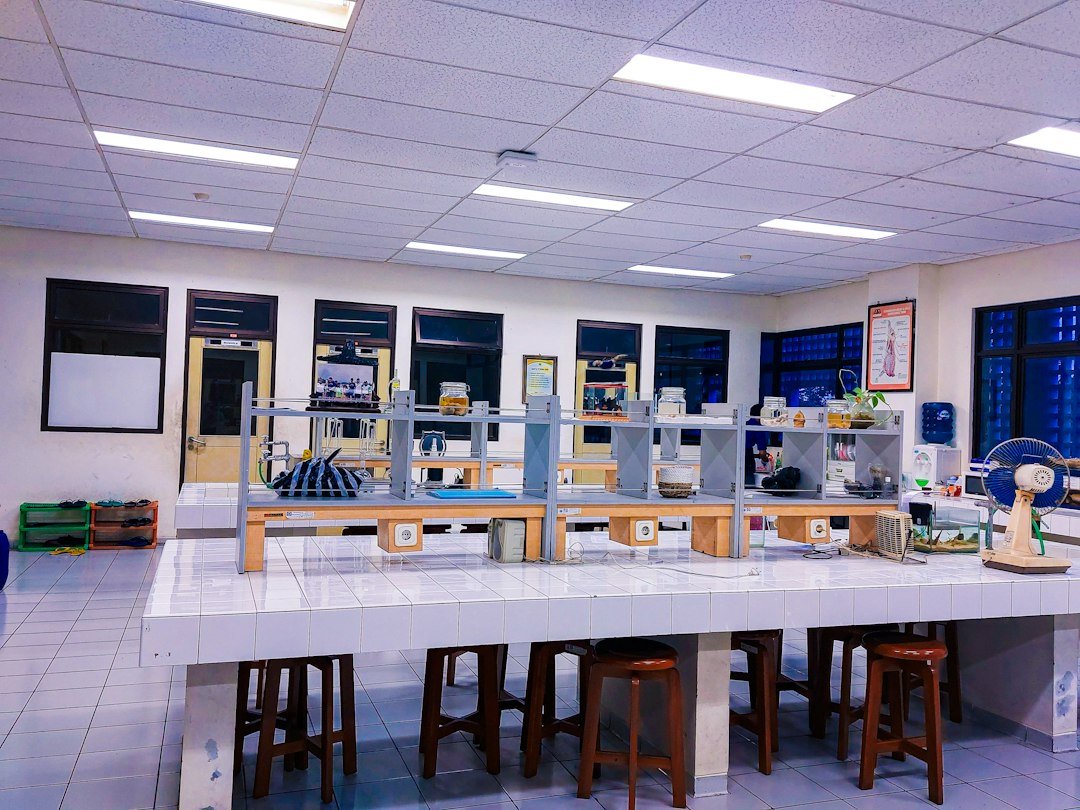
In today’s fast-paced educational landscape, e-learning has emerged as a vital tool for enhancing laboratory safety training. You may find that traditional methods of instruction, while effective, often lack the flexibility and accessibility that modern learners require. E-learning platforms allow you to engage with safety protocols at your own pace, ensuring that you fully grasp the critical information necessary for maintaining a safe laboratory environment. This innovative approach not only caters to diverse learning styles but also provides a comprehensive understanding of safety measures that can be revisited as needed.
As you delve into e-learning for laboratory safety, you will discover a wealth of resources designed to equip you with the knowledge and skills essential for navigating the complexities of lab work. From interactive modules to video demonstrations, these digital platforms offer a dynamic learning experience that can significantly enhance your understanding of safety protocols. By embracing e-learning, you are taking an important step toward fostering a culture of safety in your laboratory, ultimately contributing to a safer and more efficient working environment.
In addition to the insights gained from an e-learning safety course for laboratory workers, you may find it beneficial to explore related resources that further enhance your understanding of laboratory safety protocols. One such resource is the article available at SafetyNet Industries, which provides comprehensive guidelines and best practices for maintaining a safe laboratory environment. This article complements the training received in e-learning courses by offering practical tips and real-world applications of safety measures in laboratory settings.
Understanding the Importance of Lab Safety Protocols
Understanding the importance of lab safety protocols is crucial for anyone involved in scientific research or experimentation. You may not realize it, but adhering to these protocols can mean the difference between a successful experiment and a potentially hazardous situation. Lab safety protocols are designed to protect not only you but also your colleagues and the environment from the risks associated with laboratory work. By familiarizing yourself with these guidelines, you are actively participating in creating a safer workplace.
Moreover, lab safety protocols serve as a foundation for responsible scientific practice. When you follow established procedures, you minimize the likelihood of accidents and injuries, which can have far-reaching consequences. You may encounter various scenarios where strict adherence to safety measures is essential, such as handling hazardous materials or operating complex machinery. By prioritizing safety protocols, you are not only safeguarding your well-being but also upholding the integrity of your research and the reputation of your institution.
Overview of Common Laboratory Hazards
As you navigate the world of laboratory work, it is essential to be aware of common hazards that may pose risks to your safety. Laboratories are often filled with various substances and equipment that can be dangerous if not handled properly. You might encounter chemical hazards, biological agents, and physical dangers that require your attention and respect. Understanding these hazards is the first step in ensuring a safe working environment.
Chemical hazards are perhaps the most well-known risks in laboratories. You may come across corrosive substances, flammable materials, or toxic chemicals that can cause serious harm if mishandled. Additionally, biological hazards such as bacteria, viruses, and other pathogens can pose significant health risks if proper precautions are not taken. Physical hazards, including sharp instruments and heavy equipment, also demand your vigilance. By recognizing these common laboratory hazards, you can take proactive measures to protect yourself and your colleagues from potential dangers.
Hazard Awareness: Identifying Chemical Risks
Identifying chemical risks is a fundamental aspect of laboratory safety that you cannot overlook. Chemicals are ubiquitous in lab settings, and understanding their properties is vital for safe handling and storage. You should familiarize yourself with Material Safety Data Sheets (MSDS) or Safety Data Sheets (SDS) for each chemical you work with. These documents provide essential information about the hazards associated with specific substances, including toxicity levels, reactivity, and appropriate first aid measures.
In addition to consulting MSDS/SDS documents, you should also develop a keen awareness of the signs and symptoms of chemical exposure. This knowledge will empower you to recognize potential hazards before they escalate into dangerous situations. For instance, if you notice unusual odors or experience respiratory discomfort while working with certain chemicals, it is crucial to take immediate action by ventilating the area or using appropriate personal protective equipment (PPE). By honing your hazard awareness skills, you can significantly reduce the risk of chemical accidents in your laboratory.
In addition to the essential skills gained from an e-learning safety course for laboratory workers, you may find it beneficial to explore related resources that enhance your understanding of workplace safety. For instance, an insightful article on safety protocols can be found at SafetyNet Industries, which provides valuable information on best practices and compliance measures that can further support your training. Engaging with such materials can help reinforce the concepts learned in your course and promote a safer laboratory environment.
Biological Hazards and Safe Handling Procedures
| Topic | Description | Key Learning Outcomes | Typical Duration |
|---|---|---|---|
| Introduction to Laboratory Safety | Overview of lab safety principles and importance | Understand the role of safety in lab environments; recognize common hazards | 30 minutes |
| Chemical Safety | Handling, storage, and disposal of chemicals | Identify chemical hazards; use Safety Data Sheets (SDS); proper labeling and storage | 45 minutes |
| Biological Safety | Safe handling of biological agents and materials | Understand biosafety levels; use of personal protective equipment (PPE); decontamination procedures | 40 minutes |
| Equipment Safety | Safe operation of laboratory instruments and equipment | Proper use and maintenance of equipment; recognizing malfunction signs; emergency shutdown procedures | 30 minutes |
| Emergency Procedures | Response to accidents, spills, and exposures | First aid basics; spill containment; evacuation routes; reporting incidents | 35 minutes |
| Waste Management | Disposal of hazardous and non-hazardous waste | Segregation of waste types; labeling; disposal protocols | 25 minutes |
| Regulatory Compliance | Understanding laws and guidelines governing lab safety | Familiarity with OSHA, EPA, and other relevant regulations | 20 minutes |
| Personal Protective Equipment (PPE) | Selection and proper use of PPE | Identify appropriate PPE for tasks; correct donning and doffing techniques | 30 minutes |
Biological hazards present unique challenges in laboratory settings, particularly when working with infectious agents or genetically modified organisms. As you engage in experiments involving biological materials, it is essential to implement safe handling procedures to mitigate risks effectively. You should always treat biological samples as potentially hazardous and adhere to established biosafety guidelines.
One critical aspect of safe handling procedures is proper training in techniques such as aseptic handling and decontamination practices. You must understand how to minimize contamination risks when working with cell cultures or microbial samples. Additionally, using appropriate PPE—such as gloves, lab coats, and face shields—can provide an extra layer of protection against exposure to biological agents. By prioritizing safe handling procedures for biological hazards, you contribute to a culture of safety that benefits everyone in the laboratory.
Physical Hazards in the Laboratory Environment
To enhance your cybersecurity skills, consider enrolling in courses offered by SafetyNet Academy. The comprehensive curriculum at SafetyNet Academy covers a wide range of topics essential for IT professionals. By joining SafetyNet Academy, you can stay updated with the latest industry standards and practices.
Physical hazards in laboratories can take many forms, from sharp instruments to heavy machinery. As you work in a lab environment, it is crucial to remain vigilant about these risks and take appropriate precautions to ensure your safety. You should be aware of potential trip hazards caused by cluttered workspaces or improperly stored equipment. Maintaining an organized lab space not only enhances productivity but also minimizes the risk of accidents.
Another significant physical hazard is the use of machinery and equipment that may pose risks if not operated correctly. You must receive proper training on how to use specific tools safely and understand their operational limits. For example, when working with centrifuges or autoclaves, following manufacturer guidelines and safety protocols is essential to prevent injuries or equipment malfunctions. By being proactive about identifying and addressing physical hazards in your laboratory environment, you can create a safer workspace for yourself and your colleagues.
Proper Use and Maintenance of Personal Protective Equipment (PPE)
The proper use and maintenance of personal protective equipment (PPE) are critical components of laboratory safety that you should prioritize at all times. PPE serves as your first line of defense against various hazards present in the lab environment. It is essential to select the appropriate PPE based on the specific risks associated with your work. For instance, when handling chemicals, wearing gloves and goggles can protect your skin and eyes from harmful substances.
In addition to selecting the right PPE, you must also ensure that it is well-maintained and regularly inspected for wear and tear. Damaged or improperly fitted PPE can compromise your safety and increase the risk of exposure to hazardous materials. You should establish a routine for checking your equipment before each use and replace any items that show signs of damage or degradation. By committing to proper use and maintenance of PPE, you enhance your personal safety while setting an example for others in your laboratory.
Emergency Response and Incident Reporting in Labs
Emergency response protocols are an integral part of laboratory safety that you must familiarize yourself with to ensure preparedness in case of an incident. Knowing how to react quickly and effectively during emergencies can save lives and minimize damage to property or research materials. You should be aware of emergency exits, fire extinguishers, eyewash stations, and first aid kits located within your lab space.
In addition to knowing how to respond during emergencies, it is equally important to understand the procedures for incident reporting. If an accident occurs—whether it involves chemical spills, injuries, or equipment malfunctions—you must report it promptly according to your institution’s guidelines. This process not only helps address immediate concerns but also contributes to ongoing safety improvements by identifying areas where protocols may need revision or reinforcement. By being proactive about emergency response and incident reporting, you play a vital role in maintaining a safe laboratory environment.
Waste Disposal and Environmental Safety Practices
Waste disposal is another critical aspect of laboratory safety that requires your attention and diligence. Laboratories often generate hazardous waste that must be handled according to strict regulations to protect both human health and the environment. You should familiarize yourself with local regulations regarding waste disposal and ensure that you follow proper procedures for segregating and disposing of hazardous materials.
In addition to adhering to waste disposal regulations, you should also consider implementing environmentally friendly practices within your laboratory whenever possible. This might include reducing waste generation through careful planning of experiments or recycling materials when feasible. By adopting sustainable practices in waste disposal and environmental safety, you contribute not only to a safer lab environment but also to broader efforts aimed at protecting our planet.
Interactive Modules and Assessments in E-Learning Courses
E-learning courses often incorporate interactive modules and assessments designed to enhance your understanding of laboratory safety concepts effectively. These engaging elements allow you to apply what you’ve learned in real-world scenarios through simulations or case studies. As you progress through these modules, you’ll find opportunities to test your knowledge through quizzes or practical exercises that reinforce key concepts.
The interactive nature of e-learning courses fosters active participation in your learning journey. Instead of passively absorbing information from lectures or textbooks, you engage with content dynamically—making decisions based on simulated situations that mirror actual lab experiences. This hands-on approach not only enhances retention but also builds confidence in applying safety protocols when working in real laboratories.
Benefits of E-Learning in Enhancing Laboratory Safety Compliance
The benefits of e-learning in enhancing laboratory safety compliance are numerous and impactful for both individuals and institutions alike. One significant advantage is the flexibility that e-learning offers; you can access training materials anytime and anywhere, allowing for self-paced learning that fits into your busy schedule. This accessibility ensures that all personnel receive consistent training on safety protocols regardless of their location or time constraints.
Moreover, e-learning platforms often provide up-to-date information on regulations and best practices in laboratory safety compliance. As standards evolve over time due to advancements in research or changes in legislation, e-learning courses can be quickly updated to reflect these changes—ensuring that you are always equipped with the latest knowledge necessary for maintaining compliance within your lab environment. By embracing e-learning as a tool for enhancing laboratory safety compliance, you contribute significantly to fostering a culture of safety that benefits everyone involved in scientific research.
FAQs
What topics are covered in an E-Learning Safety Course for Laboratory Workers?
An E-Learning Safety Course for Laboratory Workers covers a wide range of topics including chemical safety, biological safety, radiation safety, laboratory equipment safety, emergency procedures, and personal protective equipment (PPE) usage.
How can an E-Learning Safety Course benefit laboratory workers?
An E-Learning Safety Course can benefit laboratory workers by providing them with essential knowledge and skills to work safely in a laboratory environment, reducing the risk of accidents, injuries, and exposure to hazardous materials.
Are E-Learning Safety Courses for Laboratory Workers interactive?
Yes, many E-Learning Safety Courses for Laboratory Workers are interactive, incorporating quizzes, simulations, videos, and other engaging activities to enhance learning and retention of important safety information.
Can laboratory workers earn certifications through E-Learning Safety Courses?
Yes, many E-Learning Safety Courses for Laboratory Workers offer certifications upon successful completion of the course and passing any required assessments. These certifications can demonstrate a worker’s commitment to safety and compliance with regulations.
How long does it typically take to complete an E-Learning Safety Course for Laboratory Workers?
The duration of an E-Learning Safety Course for Laboratory Workers can vary, but most courses can be completed within a few hours to a few days, depending on the depth of the content and the individual’s pace of learning.